
A Guide to Sri Lankan Art Ahead of London’s Frieze
This October, Frieze returns to London’s Regent’s Park, bringing together global art enthusiasts for a celebration of art history and contemporary visual culture. Frieze London and Frieze Masters offer us a slice of cross-generational crafts, spanning from trendy, experimental work by emerging artists to timeless classics by eminent creators.
This year's fair assembles riveting installations from every corner of the globe. Amid a massive international line-up, we are excited to witness the growing South Asian footprint, particularly the nuanced movements surfacing in Sri Lanka, such as the late Dr. H.A. Karunaratne’s abstract works.
Back home, Sri Lankan art offers more than what meets the eye. It’s a window into the island’s millennia-old heritage, post-colonial and modernist movements, and social and political changes over the decades.
From unmistakable visionaries such as Geoffrey Bawa and the iconic 43 group to a new era of contemporary creators, Sri Lanka’s artistic and design landscape is ever-growing. So join us as we guide you through Sri Lanka’s vibrant art scene.
Pre-modernist and traditional art in Sri Lanka
Sri Lanka’s pre-modernist art reflects a long history of trade, faith, and foreign occupation. At the crossroads of ancient trade routes, the island became a melting pot for aesthetic expression. Over the centuries, pre-modern artisans absorbed ideas, and drew from the influences of Buddhism, Hinduism, and multiple waves of European colonization.
With the arrival of Buddhism in the 3rd century BCE, the royal courts of ancient kings were adorned with various sculptures, from moonstone-flanked staircases to ornate guard stones. Alongside the sculptures were remarkable murals, such as the famed Sigiriya cave paintings, now recognized by the UNESCO.
Most villages across Sri Lanka developed around small cottage industries like batik, pottery, and weaving. Today, handloom weaving of dumbara mats (a type of geometric-patterned weaving using reed), beeralu (intricate bobbin lace), and lacquerwork are among the island’s most notable— yet increasingly endangered — artisanal industries.
Architecture, along with craftsmanship, also developed its own unique proportions. Think of Buddhist monasteries featuring monumental dome-shaped shrines and elaborate gopuram (towering entrance towers) structures of Hindu temples. Later, over four centuries of European colonialism fundamentally altered the coastal architecture, introducing stone masonry, grand courtyards, neoclassical columns, and deep, shaded arcades.
Island’s modern art
43 Group, formed in 1943 by Sri Lankan artists such as George Keyt and Lionel Wendt, is perhaps the most influential movement in the country’s modern art. Breaking away from the rigid realism of the European styles, this movement celebrated local village life, rural landscapes, and religious folklore.
Geoffrey Bawa is a name you cannot – quite truly – miss out on in Sri Lanka’s art and design discourse. Known as the father of tropical modernism, he focused on local building philosophies and materials in response to air movement, light, and climate, marking a clear shift from the international modernist architecture dominant in the 1950s to the 1970s.
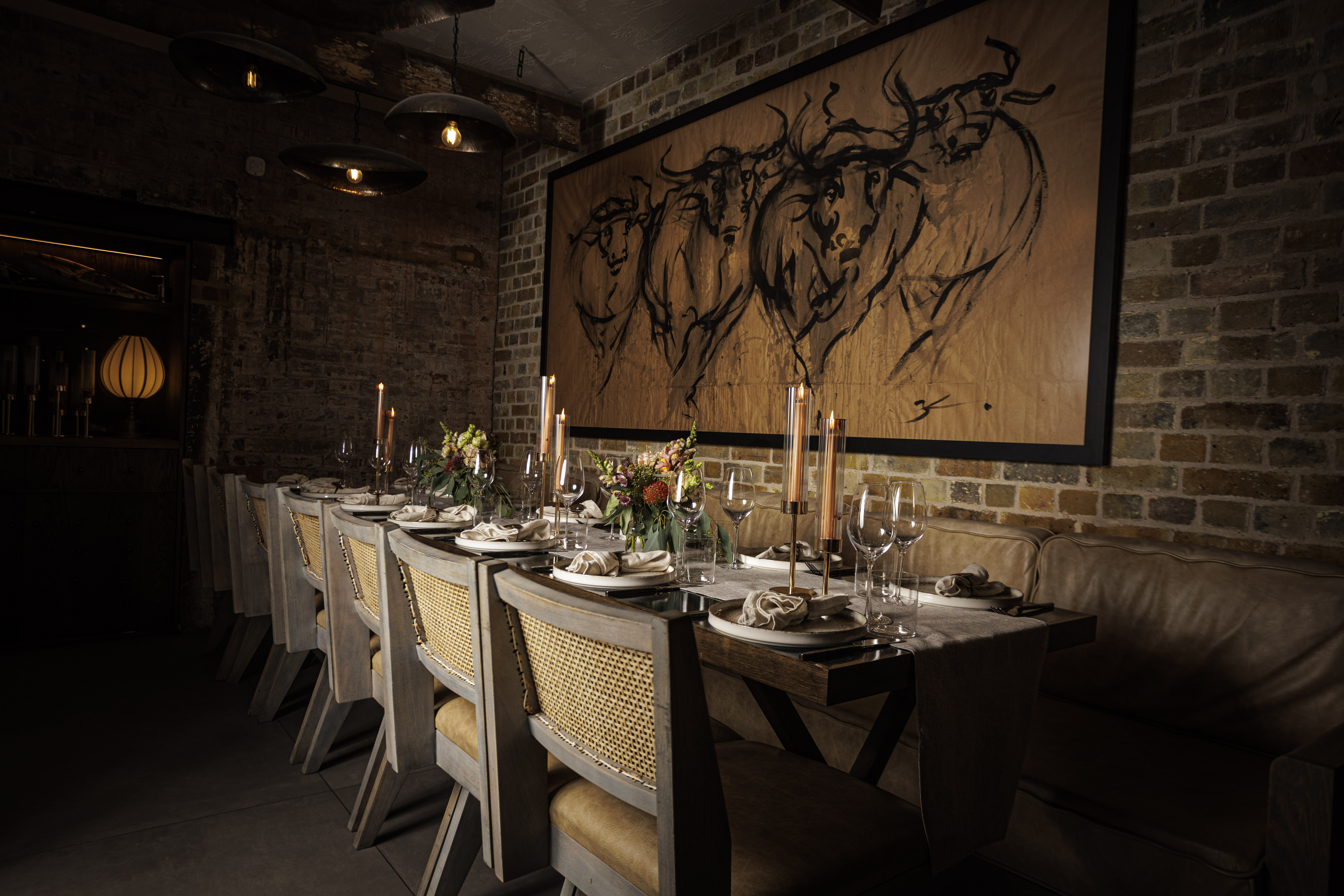
You can see the legacy of the late architect at Lunuganga, his personal country estate, and even at the Sri Lankan Parliament Complex. You can also see the interior references to Bawa’s iconic style at Kolamba East, with backlit timber paneling, rattan weaving, and wood accents.
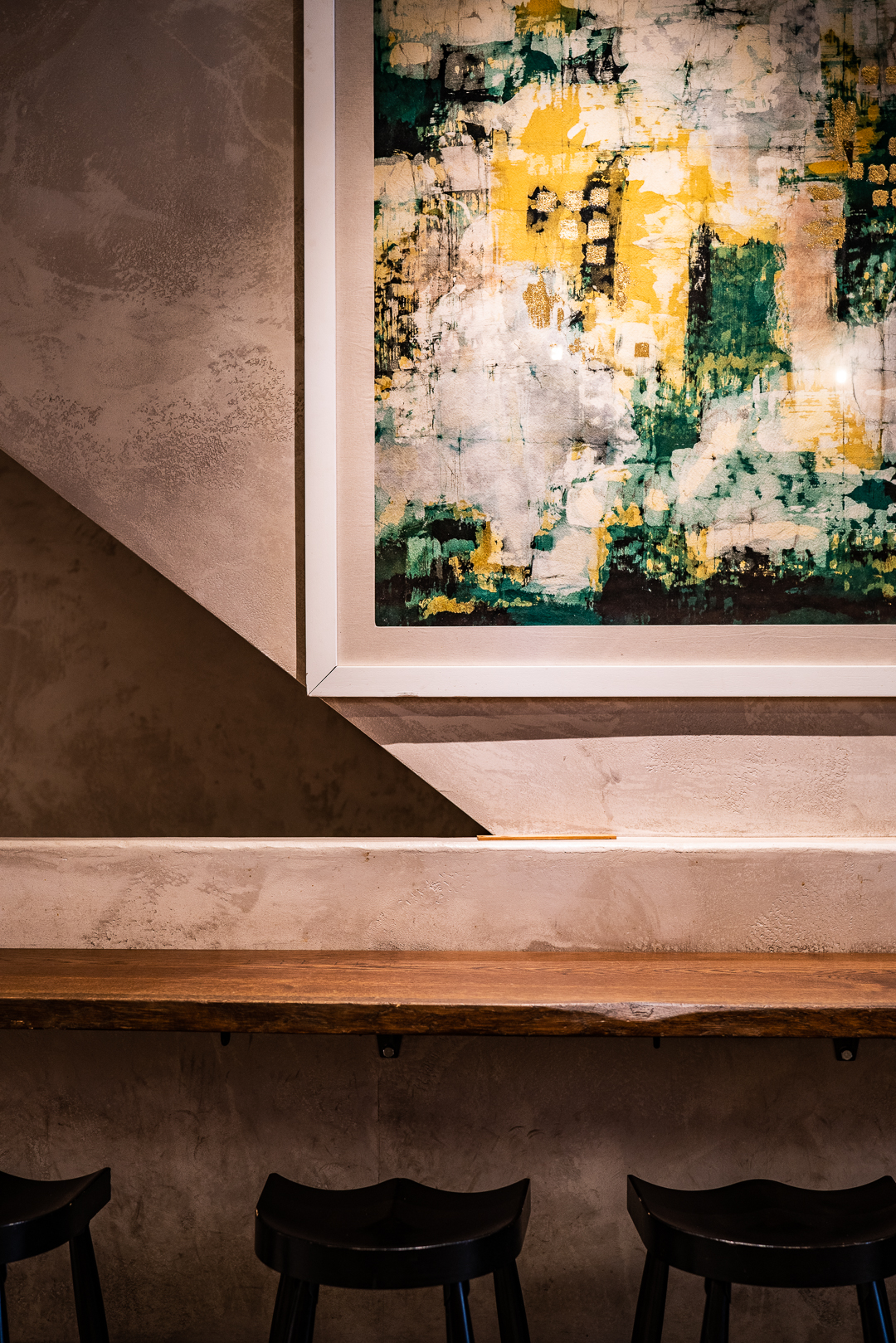
Ena de Silva, alongside Bawa, was a revolutionary modern artist. It was thanks to artists like de Silva that batik (a wax-resist dyeing technique) flourished in the 1960s across the country. Her work involves creating massive tapestries to adorn the ceilings of iconic buildings.
And this year’s Frieze Masters London features the late Dr H.A. Karunaratne’s exemplary work. Widely regarded as the pioneer of abstract art in Sri Lanka, Dr Karunaratne’s practice bridged abstract expressionism and Zen Buddhist philosophy. This exhibition highlights some of his artwork that explores the rhythmic interplay between fabric and metal.
Contemporary talent across Sri Lanka
Today, contemporary art largely revolves around the island’s sociopolitical realities. The emerging creators are keen on drawing inspiration from everyday life in ways that feel fresh and honest.
One of the most prominent contemporary art movements is the 90s trend initiated by the politically conscious painter Jagath Weerasinghe, informed by decades of civil war, state oppression, and social instability. Another example is the work of Chandraguptha Thenuwara, who coined the term barrelism through his ubiquitous painted metal barrels in response to the growing militarization of the island’s public spaces.
Then there are studios, too, working towards making contemporary art more inclusive. Colombo-based Studio Kayamai, a new-generation space for creative expression, activism, and community building, offers art therapy, drawing sessions involving native plants and fruits, and painting workshops.
In Colombo, you can also visit the Museum of Modern and Contemporary Art (MMCA) to explore meaningful steps taken toward creating a platform not limited by language, class, and sociocultural barriers.
In recent years, a number of experimental, grassroots approaches have flourished throughout the island. In Matara, artist Jezima Mohammed runs a small workshop and boutique. At Jez Look Batiks, she preserves the art of batik alongside a group of female artisans who meticulously trace the motifs onto off-white fabric using boiling-hot wax.
In the north of the island, Kolam is a design studio that produces handmade designer garments and jewellery, focusing on natural, non-toxic, and biodegradable materials. They also curate exhibitions featuring post-war memory, where themes range from displaced identities to complex personal narratives expressed through accessible, everyday mediums like fabric scraps, newspapers, and barbed wire.
To us, art is how we share our stories and hold on to our nuanced, layered histories. As international, week-long celebrations like Frieze London invite new perspectives, Sri Lanka’s participation this year marks a heartening step toward the island’s representation in the global art scene.


