
The Festival of Lights: How Sri Lanka Celebrates Deepavali (Diwali)
In Sri Lanka, Deepavali is a season of fervour, fun and faith. From urban communities in Colombo to quiet villages dotted around the northern peninsula, friends and families gather, draped in traditional silk sarees and sarongs, to enjoy a heartfelt celebration of light. This year, Deepavali falls on Sunday 8th November, and Hindu communities worldwide, including those in Sri Lanka, are looking forward to the festival.
With the holiday just around the corner, we take a look at the roots, rituals and culinary traditions of Deepavali in Sri Lanka.
Ancient beliefs and roots
In brief, Deepavali symbolises light, wisdom and goodness. In Sri Lankan Tamil tradition, however, this revered festival carries multiple layers of meaning, and there are several legends that originate from ancient Hindu scriptures.
The ancient Hindu epic Ramayana is perhaps the most prominent origin story of Deepavali. The epic plays an integral part in the island's cultural landscape, as local lore ties many landmarks across the island directly to the tale. For many Hindus, Deepavali recalls Lord Rama's return to Ayodhya after fourteen years of exile, guided home by rows of glowing clay lamps.
Another belief is that on the darkest new moon night of the Hindu lunar month of Kartik, Goddess Lakshmi – the deity of prosperity and good fortune – visits bright, clean, well-lit homes. Families often offer prayers for the year ahead, as many believe Deepavali brings fortune and abundance.
Historically, this festival goes back thousands of years in the Indian subcontinent. In Sri Lanka, Hindu communities in the north and east, especially in Jaffna, have celebrated this tradition for generations. In Nuwara Eliya, Hatton and other tea-growing regions, Deepavali celebrations date back to the 19th century, when Tamil Hindus migrated from South India to work on the tea estates.
Today, Deepavali is one of the most important festivals of the year for the Sri Lankan Tamil Hindu community, alongside Puthandu, the Tamil New Year in April.
Rituals and customs
For local Hindu families, Deepavali is all about renewal: cleaning homes, discarding old items and even renovating their houses. Every morning, mothers, grandmothers and children gather to draw intricate decorative motifs called kolam using rice grains or powder to welcome prosperity.
On the sacred day, rituals begin before dawn with an oil bath. The eldest in the family – usually a grandparent – massages sesame oil into each person's head and blesses them. A warm bath follows, purifying both body and spirit. After customary morning prayers and pujas at the kovil (temple), families, friends and neighbours visit each other, sharing gifts, sweets and good wishes.
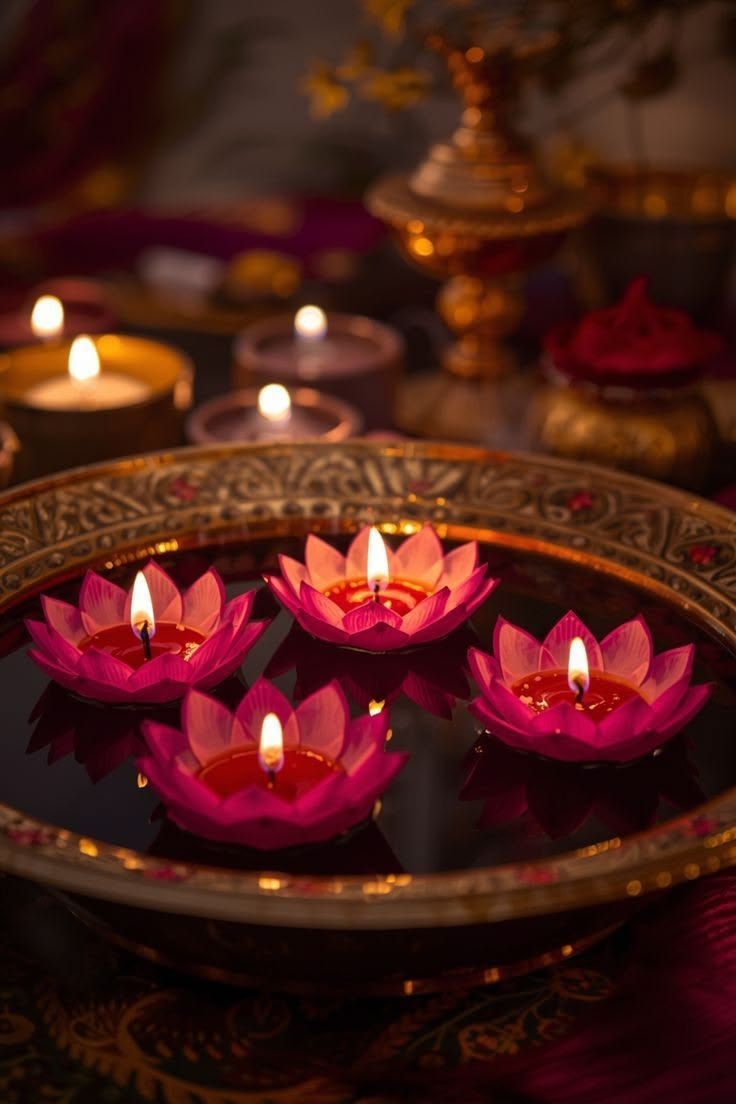
As dusk falls, Jaffna, the heartland of Deepavali in Sri Lanka, and Tamil neighbourhoods in Colombo, the Eastern Province and the hill country are adorned in the warm golden hues of oil lamps, candles and long strings of multicoloured LED lights draping rooflines, balconies and courtyards.
Kovils also flourish with festive charm, from grand temples like Nallur Kandaswamy Kovil to small village shrines. Then there's the evening aarti (lamp ceremony), when priests wave lit wicks dipped in ghee or burning camphor in a clockwise circle.
Feasts, sweets and new beginnings
Every Sri Lankan celebration calls for a grand feast. For us, food is something we share together. During the festival of lights, our aunts, cousins and neighbours roll murukku (crunchy snacks), fry vadai (lentil fritters) and stir pots of payasam (milk porridge).
Central to Tamil culinary culture in Sri Lanka is maha padaiyal, a lavish feast laid out on a large banana leaf. During major celebrations like Deepavali, families pair spicy vegetable dishes and hearty meat curries with soft, fluffy ponni rice.
A Deepavali table isn't complete without Jaffna-style curries flavoured with roasted spices and whole tamarind, and thickened with coconut milk. At Kolamba, our Sri Lankan restaurant in London, we have recreated these authentic flavours with our irresistible Jaffna-spiced lamb chops.
One of my favourite Hindu festive snacks is murukku, a rice flour-based fried savoury spiral. Crunchy vadai are another staple, often served with shredded sweet onions and sun-dried red chillies.
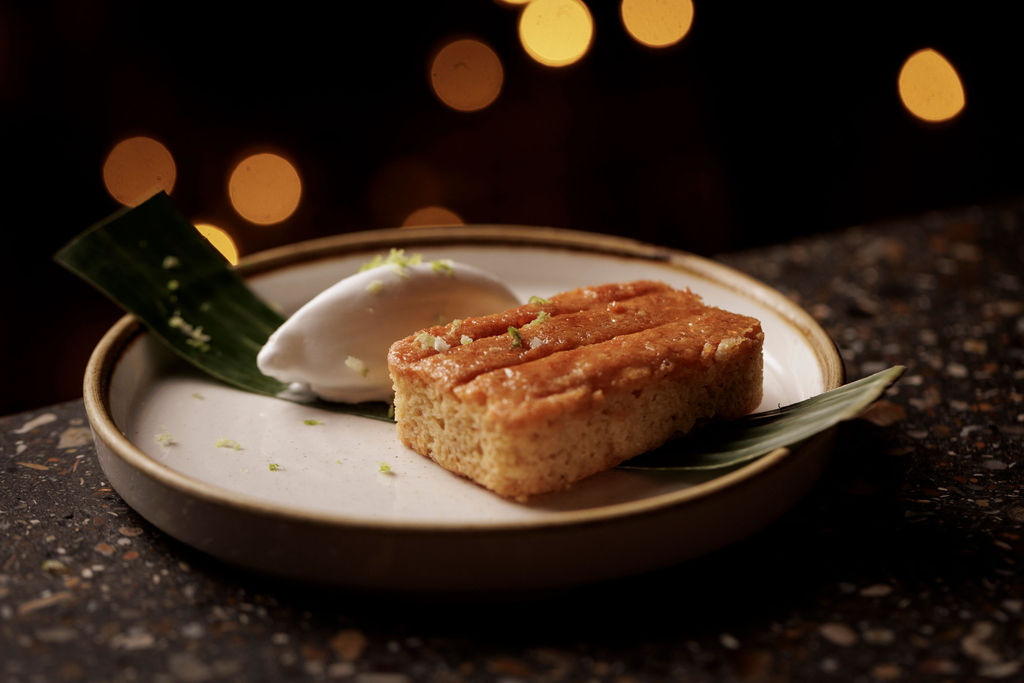
Palmyrah palm jaggery is integral to Tamil celebratory sweetmeats, too. Adhirasam is a dark, jaggery-dipped rice flour cake we enjoy on auspicious occasions. Deepavali also calls for payasam, a cardamom-infused milk pudding, and unduwal, a jalebi-like sticky spiral oozing with sweet jaggery syrup, made from black gram lentils.
During the holidays, local bakeries stock up on meticulously packed, ornate boxes filled with these sweet treats. Think cashew-studded, soft, gelatinous pieces of muscat; caramelised halwa made from lentils or carrots; and boondi, colourful fried gram-flour balls soaked in sugar syrup. Families exchange these gifts, welcoming new beginnings with hope.
Karthigai Deepam: beyond Deepavali
In Jaffna, Deepavali is followed by Karthigai Deepam, also known as Mahadeepam. While Deepavali is a bustling social occasion, Karthigai Deepam is more spiritual and rooted in indigenous tradition. Karthigai begins on Deepavali and continues throughout the month as people pray, fast and light earthen lamps every evening.
According to legend, when Lord Brahma and Lord Vishnu argued over who was superior, Lord Shiva appeared as an endless pillar of fire, challenging them to find its top and base. Neither could, and both bowed to Shiva's greatness. Today, the Mahadeepam lit on the hills of Thiruvannamalai (Tamil Nadu) and Koneswaram (in Trincomalee) symbolises God's limitless radiance, as do the small vilakkus (oil lamps) we light during Karthigai.
The clay lamp tradition also served a practical purpose. In the olden days, lighting coconut oil lamps kept vermin away during the rainy season, and families lit them well beyond the day of Deepavali. Today, this tradition survives in a few rural pockets of the northern peninsula.
On the final day of Karthigai, mothers whip up offerings of pori urundai (puffed rice and jaggery balls) and sweet appams – pancakes made from rice, jaggery and mashed bananas. People also celebrate this full moon day with a holy fire called sokkapanai (palm fire pillar) at temples.
From Deepavali to Karthigai, this season remains, for Sri Lankan Tamils, a spirited time of faith, togetherness and joy.


