
Sri Lankan desserts: Traditional flavours and sweet treats
In Sri Lanka, our meals aren’t complete without something sweet, something delightful, something that tastes like love. Plates of rice and curry lunches are often followed by a dollop of buffalo curd drizzled with sweet treacle, served in a tiny clay pot. Evening teatime is an everyday ritual, and we opt for a mix of snacks, both savoury and sweet. Families and friends gather over a cup of ginger-infused black tea, and there’s always a slice of cake or dodol, a gooey sweetmeat made of rice flour, coconut milk and jaggery.
Sri Lankan desserts are simple and wholesome, revolving around fresh, local, and bountiful ingredients like coconuts, rice flour, and jaggery. Regionality is given prominence: think of using kithul jaggery as a sweetener in the rainy hills, where the palm thrives. In the north of Sri Lanka, coconuts are often replaced by the region’s ubiquitous palmyrah palm.
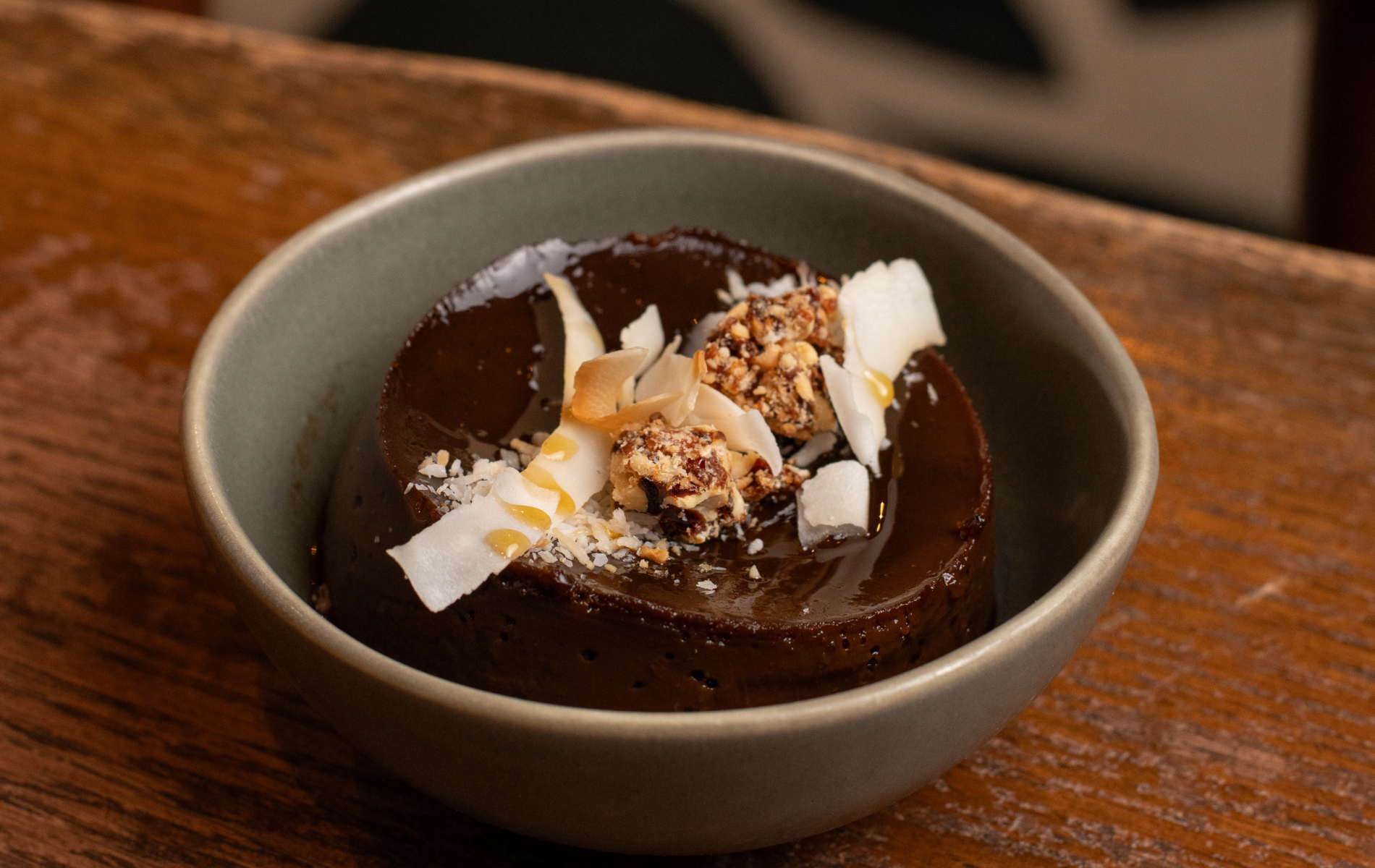
Festivals call for sweetmeats and desserts reserved for special celebrations. On Eid, for instance, we prepare watalappan, a delectable coconut and egg custard topped with crunchy cashews – you’ll also find it on our menu at Kolamba. One of my earliest memories of watalappan comes from our neighbours sharing their Eid feasts with us, bringing heaping plates of biriyani and tubs of sweet custard.
So this month, we are diving deep into the art of everything dessert in Sri Lanka.
Post-meal desserts
The iconic curd and treacle (kiri pani) is a dessert you cannot – quite truly – miss out on in Sri Lanka. Typically, this is the final course of a traditional Sri Lankan meal. Buffalo curd is creamy, tangy, and cooling, and is often served with a generous whip of treacle made from the sap extracted from the flowers of kithul or coconut palms. Across Sri Lanka’s markets, curd is often sold in terracotta clay pots, which adds a slight earthy touch.
Sago porridge, known as saw kenda in Sinhala and saw kanji in Tamil, is another post-meal dessert. With tiny translucent pearls cooked in coconut milk and jaggery, sago porridge is something we love to eat when we need something comforting and calming. For garnishing, we also add a hint of cardamom, a handful of raisins, and peanuts.
Festive sweets
Kavum brings with it memories of celebrations, from New Year festivals to temple offerings, and other auspicious times. With rice flour at its core, ingredients like coconut treacle, coconut oil, and cardamom come together to form sweet, crunchy, deep-fried oil cakes integral to the Sinhala and Tamil communities.
Kavum is often plated together with aasmi, another rice flour-based treat. Light and crunchy, my aunt prepares aasmi by pouring rice flour batter, davul kurudu (a type of wild cinnamon) juice, and coconut milk through a mould into hot coconut oil. She then glazes these lace-like, delicate spirals with sweet treacle. To complete the festive table, she prepares unduwal, a jalebi-like sticky spiral oozing with sweet syrup, made from black gram lentils.
On Thai Pongal, a harvest festival celebrated by the Sri Lankan Tamils, there’s always pongal. Served on fresh banana leaves during auspicious events, pongal is a soft rice porridge cooked with ghee and jaggery, finished with raisins and dried cashews.
When December rolls around, love cake, a uniquely Sri Lankan recipe tied to our colonial history, finds its way into bakeries, market stalls, and gift baskets. Wrapped in glittery paper, these pocket-sized treats are dense and gooey, with ingredients like toasted semolina, pumpkin preserve, cashews, and butter.
The use of regional ingredients in Sri Lankan desserts
In Sri Lanka’s hill country and low-country jungles, kithul trees grow in the wild. Kithul treacle lends smoky, earthy and slightly umami notes to desserts like kavum, aasmi, and watalappan. Kithul palm flour harvested from the tree’s trunk is used for preparing a soft, dense custard called kithul thalapa, a regional specialty.
Across the north, families use palm sugar and palmyrah palm jaggery as a natural sweetener. Take for example, moddakam, a decadent dumpling made of rice flour, moong daal, coconut flakes, and palmyrah palm jaggery.
Teatime treats
Teatime is an important part of Sri Lankan life. It’s when we pause for a moment of comfort in a cup of ‘plain tea,’ which is usually black tea with sugar. And it’s often enjoyed with a slice of fresh-off-the-oven butter cake.
There are other teatime treats, too. Dodol, for instance, is a labour of love. This dark brown, gelatinous dessert is made from rice flour, coconut milk, and palm jaggery batter, and we take turns stirring it over the fire for the next four hours, eagerly waiting for the toffee-like texture of dodol.
Then there’s bibikkan, a quintessential Sri Lankan dessert. Sticky, moist, and chewy, bibikkan is prepared with coconut, cashews, dates and semolina. Every bite is a medley of flavours and textures: it’s coarse, juicy, crunchy and nectar-like. You’ll find bibikkan every day, but it’s a regular at Christmas parties.


