
The tale of tea: How Sri Lankans drink tea
Sri Lankans are tea drinkers. As a little girl growing up in Sri Lanka, I looked forward to my father’s cup of tea every morning before school. He would add tea dust to hot water, letting it brew as it quickly turned bright brown-red. The tea is poured into a mug with three teaspoonfuls of creamy powdered milk. Then came the sugar, and this sweet, milky cup of tea was poured from one mug to another until it settled into a froth of bubbles.
This was how my father made tea. I was almost certain that it was the “pulling” – as many call it – that made it delicious. When I was sick, however, my father would serve me a cup of ginger tea – black tea with chopped ginger and sugar. And I would instantly feel better as if I had given a new life.
Across Sri Lanka, tea is tied to family traditions and snack cultures. Tea is ritual, fuel and nostalgia. Similar to British afternoon tea, Sri Lanka, too, has an evening tea tradition, where a cup of tea is enjoyed with a slice of butter cake or a breaded roll loaded with spicy canned tuna. Short eats – an umbrella term used for savoury and sweet snacks enjoyed between main meals, like sugar-sprinkled baked buns or veggie-stuffed roti browned in a pan – are often paired with a cup of piping hot tea.
The history of tea in Sri Lanka
Travel around Sri Lanka, and you’ll see rolling tea gardens carpeting the rainy, wet central hills of the island. Or, you’ll notice how locals grow tea in their family gardens only a few miles inland from the southern coast.
Sri Lanka often ranks as the world’s third or fourth-largest exporter of tea, sharing the market with China, India and Kenya. But before tea was planted on the island’s soil, the island was known for its coffee, which is believed to have been introduced by Yemeni traders. The British who colonised Sri Lanka began the commercial cultivation of coffee, and by the early 1860s, the small island in the Indian Ocean was exporting nearly a third of Europe’s coffee supply. A few years later, however, the leaf rust fungus plagued Sri Lanka’s coffee farms, forcing the estate owners to shift to other cash crops like tea and rubber.
Tea has a long, nuanced history in Sri Lanka. The history of Ceylon Tea (as it’s still known, with Ceylon being the old name European colonial rulers used for Sri Lanka) dates back to 1867, when Scottish planter James Taylor planted seeds in Loolecondera Estate near Kandy, 143km east of the country’s capital Colombo. The coffee plantations were dying, and Taylor looked for ways to recover the losses. The outskirts of Kandy fall within the central highlands of Sri Lanka, with a rainier, cooler climate ideal for tea cultivation. And a year later, Sri Lanka had its first tea estate in Loolecondera, expanding for 19 acres. Soon, the British began cultivating tea in other parts of the country, moving deeper into the rainy mountains.
The first batch of Ceylon Tea sailed to London in 1873, and by 1927, the island produced over 100,000 metric tons of tea. Nearly all of it was exported. By then, tea was also grown in low-lying tropics to meet the increasing demand, which was more suitable for robust teas that are darker, reddish-brown in colour, with a caramel-like flavour. These low-lying plains now account for 70% of the country’s tea production.
After Sri Lanka’s Independence from the British in 1948, the ownership of the colonial-era plantations passed onto wealthy Sri Lankans, and the island continues to be a leading cultivator of tea. And even today, tea is handpicked, as it was done centuries ago.
How Sri Lankans drink tea
Order tea at a hole-in-the-wall in Sri Lanka, and you’ll get sugary tea made with milk or powdered milk – fancier restaurants will serve you fresh milk and sugar on the side. For black tea, you’ll need to order ‘plain tea,’ usually served with added sugar. This is how it’s done at Kolamba, too, our two Sri Lankan restaurants in London’s Soho and Spitalfields.
Historically, the highest grades of tea were always exported, and when locals adopted and adapted the tea culture in Sri Lanka, they began brewing the beverage with tea dust, a fine powder, which is essentially the broken leftover tea leaves after they are processed. This powder is darker, stronger and slightly bitter, and brews quickly compared to whole-leaf teas.
The higher grades are gaining popularity now, with varieties like Imperial Ceylon, also served at Kolamba. This single-origin tea has notes of citrus, honey and caramel. There are other black tea specialities originating from single estates, blended black teas and flavoured teas scented with rose, vanilla, and jasmine. Sri Lanka’s also known for the excellent Pekoe tea, a rich, robust tea made with tender tea buds, often enjoyed with milk.
Across restaurants in Sri Lanka, you’ll also find green tea. A few specialised cafes and tea lounges serve Silver Tips, a white tea (young leaves that are little processed) that’s highly priced.
The herbal teas in Sri Lanka
Before tea became a part of the local life, Sri Lankans drank hot, caffeine-free herbal beverages. Some of the popular herbal tea varieties include beli mal, brewed with dried flowers of the bael fruit tree, often enjoyed with a slice of jaggery. Bael fruit carries medicinal properties and helps with digestion and insomnia. As a kid, I remember my mother often preparing ranavara, which are dried yellow flowers of the Cassia auriculata tree. The tea, we believe, helps regulate blood and keep our body cool.
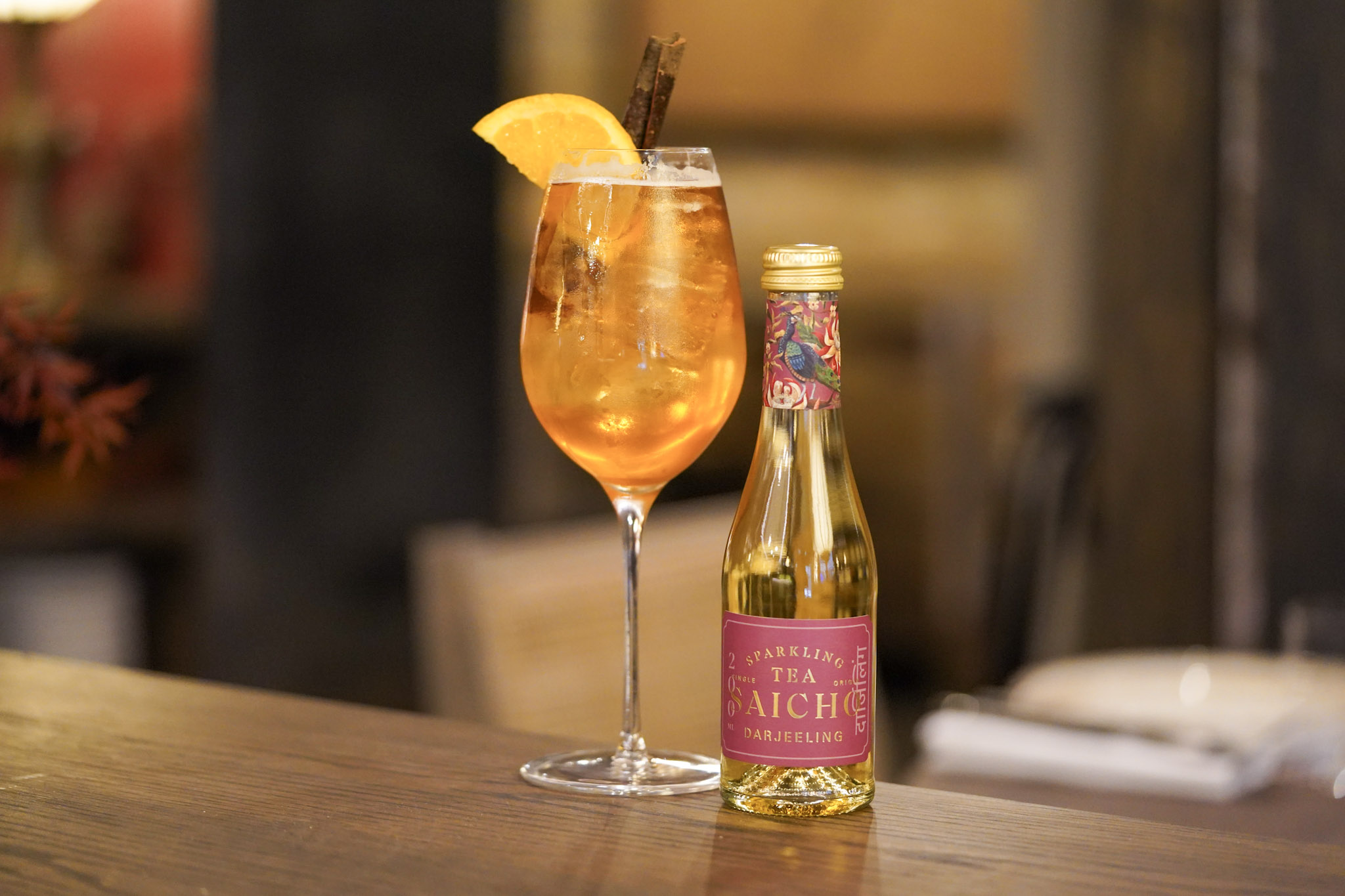
As Ceylon Tea is gaining in popularity, tea is also increasingly paired in shakes, desserts, mocktails and cocktails. You’ll find some of them at Kolamba East: get the passion fruit iced tea, or the Spiced Ice Tea cocktail, where black tea from our little island is paired with spiced rum, mango, passion fruit and blood orange. Remember to enjoy your Sri Lankan meal with a cup – or a cocktail – of tea.


