
Cricket in Sri Lanka: How it shapes Sri Lankan culture
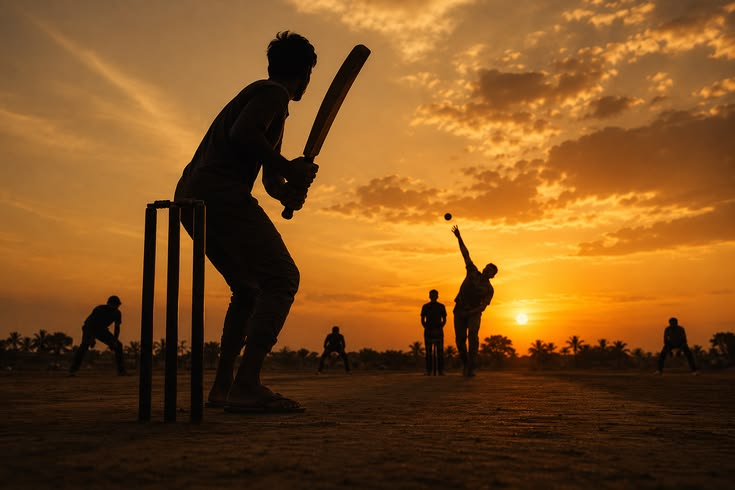
In Sri Lanka, we live and breathe cricket. Travel across the island, and you will see kids and adults alike playing cricket in every corner. Whether it’s a narrow stretch of sand sandwiched between two rocky coves, an inland paddy field, or a cul-de-sac-like alleyway in a busy city, we come together for a game of cricket.
Growing up, my love for cricket started with our boxy, black-and-white television broadcasting international tournaments on Channel Eye. Back in the late 90s and early 2000s, Chaminda Vaas, Muttiah Muralitharan, and Sanath Jayasuriya were legendary names every cricket fan knew by heart. For me, one of my fondest memories is being glued to the screen, crossing my fingers until Tillakaratne Dilshan performed his iconic “Dilscoop.”
Since Sri Lanka's 1996 World Cup victory over Australia, the sport has quietly become a source of national pride. And it’s become an undeniable part of the island’s unifying identity during some of the country’s most difficult decades.
Over the years, the game has evolved beyond international tournaments in massive stadiums into a beloved everyday recreational ritual. In the villages, we play with anything and everything: plastic bats, bright lime-green tennis balls, and wickets cobbled together from scrap wood and bricks. During the big match season (inter-school games) or any Sri Lankan tournament, cricket becomes a deeply social affair with papare (a lively genre of music), food, and get-togethers with friends and family.
A brief history of cricket in Sri Lanka
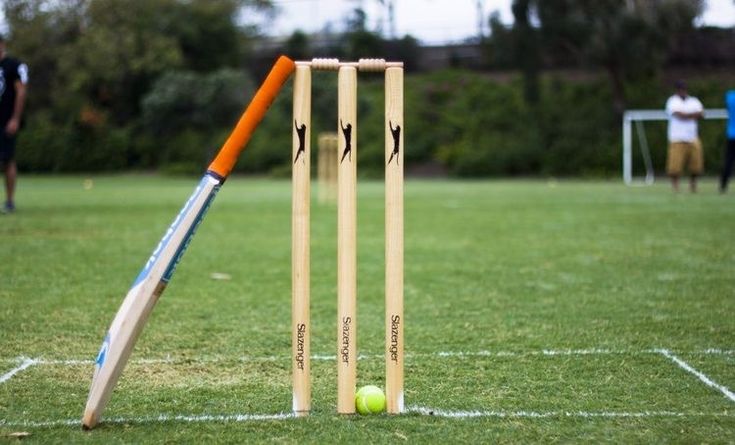
Like the tea culture in Sri Lanka, cricket is a lingering remnant of the centuries-long British colonial rule. For much of its early history in the 1800’s, cricket remained a game of the elites. The sport took root in 1832 with the formation of the Colombo Cricket Club, though it was initially played mostly within Anglicised Christian schools. It was not until the 1980s that Sri Lanka became the world’s eighth test-playing country.
Before the Arjuna Ranatunga-led team’s world cup victory in 1996, rural parts of the island found the spirit of sportsmanship through volleyball and a local bat-and-ball game called Elle. Cricket became more than just a game to us during the civil war and political unrest of the 1990s. Perhaps there’s some truth in saying that cricket, in fact, gave us moments of joy to celebrate together, quickly becoming a core part of our cultural identity.
Players like Aravinda de Silva, once considered the backbone of Sri Lanka’s batting line-up in the 1990s, and Chaminda Vaas, a popular left-arm swinger, along with Muttiah Muralitharan, the highest wicket-taker in the entire history of cricket, are the cricketing legends who are still the topics of our long conversations at dinner. Later, led by all-time greats Kumar Sangakkara, Mahela Jayawardene, and Lasith Malinga, the 2014 WT20I champions achieved another historic milestone with the entire nation rallying behind them. And today, young talents like Matheesha Pathirana and Dunith Wellalage mark the future of Sri Lankan cricket.
Once limited entirely to men, women’s cricket, too, gained popularity in the late 90s. Early leaders like Shashikala Siriwardene helped the sport grow across the island. Later, under the leadership of star batter Chamari Athapaththu, the team cemented their place internationally.
Big Match culture
Typically in March, you’ll see open double-decker buses packed with students roll through the streets in Colombo and elsewhere, with cheering alumni following close behind. Accompanying this is the rhythmic beat of papare brass bands – a festive tradition that signals to everyone that the annual inter-school cricket encounters, or what we call the big match season, have officially begun.
Long before cricket became a national obsession, the sport was already thriving in the schools attended by the country’s elite. In fact, the oldest and the longest-running big match is the Royal-Thomian 'Battle of the Blues,’ dating back to 1879. On the school fields, the young players bring a free-spirited, Caribbean-like nature to the game. Today, this unique tradition is not just a cricket match, but a vibrant social affair.
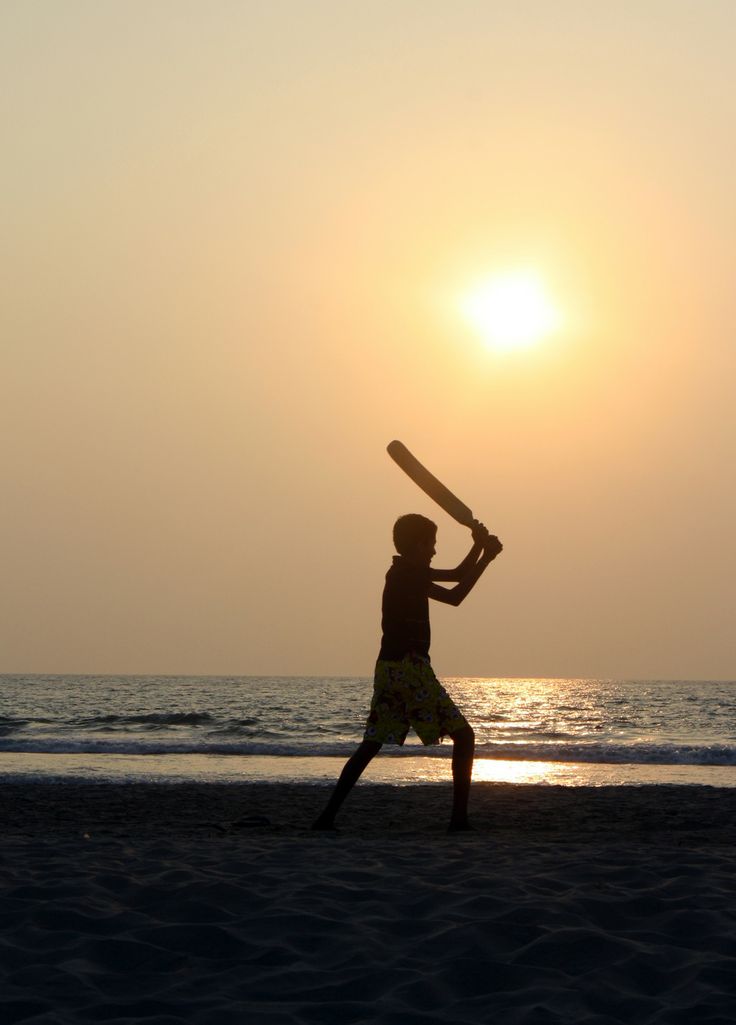
Beyond the game: Food, music and conversations
On international match days in Sri Lanka, cricket grounds transform. Fans flood the stadiums in roaring cheers, their faces painted in vibrant blues and yellows, colours that have long dressed the national team’s kit. Street vendors set up their little kiosks outside the ground, selling everything from vibrant Sri Lankan lion flags to replica jerseys, and grab-and-go snacks like cups of instant noodles and hot dogs. The papare bands thump on their deep bass drums for the tunes of baila, a high-energetic style of dance music that fuses Portuguese, African and Sri Lankan traditions. Every time a wicket falls, every time a six is scored, the trumpets blare. Crowds begin to cheer. Drums beat. People dance.
At venues like Galle International Cricket Stadium – renowned worldwide as one of the most scenic and atmospheric places to play the game – fans watch the game even from the ramparts of the neighbouring 17th-century Dutch fort, surrounded by rolling ocean waves. Inside and outside the ground, crowds gather for their little picnics.
Sri Lankans love a drink. And whether we win or lose, we bring it to the cricket grounds, too. Chilled Lion beer, poured into tiny plastic cups, is a quintessential Sri Lankan tradition at the game – and you can also find the island’s favourite lager at Kolamba. With drinks comes the food. Think: deep-fried lentil fritters, caramel popcorn, fiery devilled sausages, instant cup noodles, and fiery little bites that go well with chilled beer in the scorching heat.
In Sri Lanka, a cricket match is not limited to the stadium. The spirit of the game takes over everywhere, with families gathering around the TV at home, commuters listening to live commentary on the go, and grandparents sharing their favourite stories in local cricket clubs. And always with great food!
To us, cricket is not just one isolated scoreboard, but a deeply cultural social event. Ever since the golden age of Sri Lankan cricket in the 90s, the game has been a unifying communal affair celebrated over food, music, and shared laughter.


